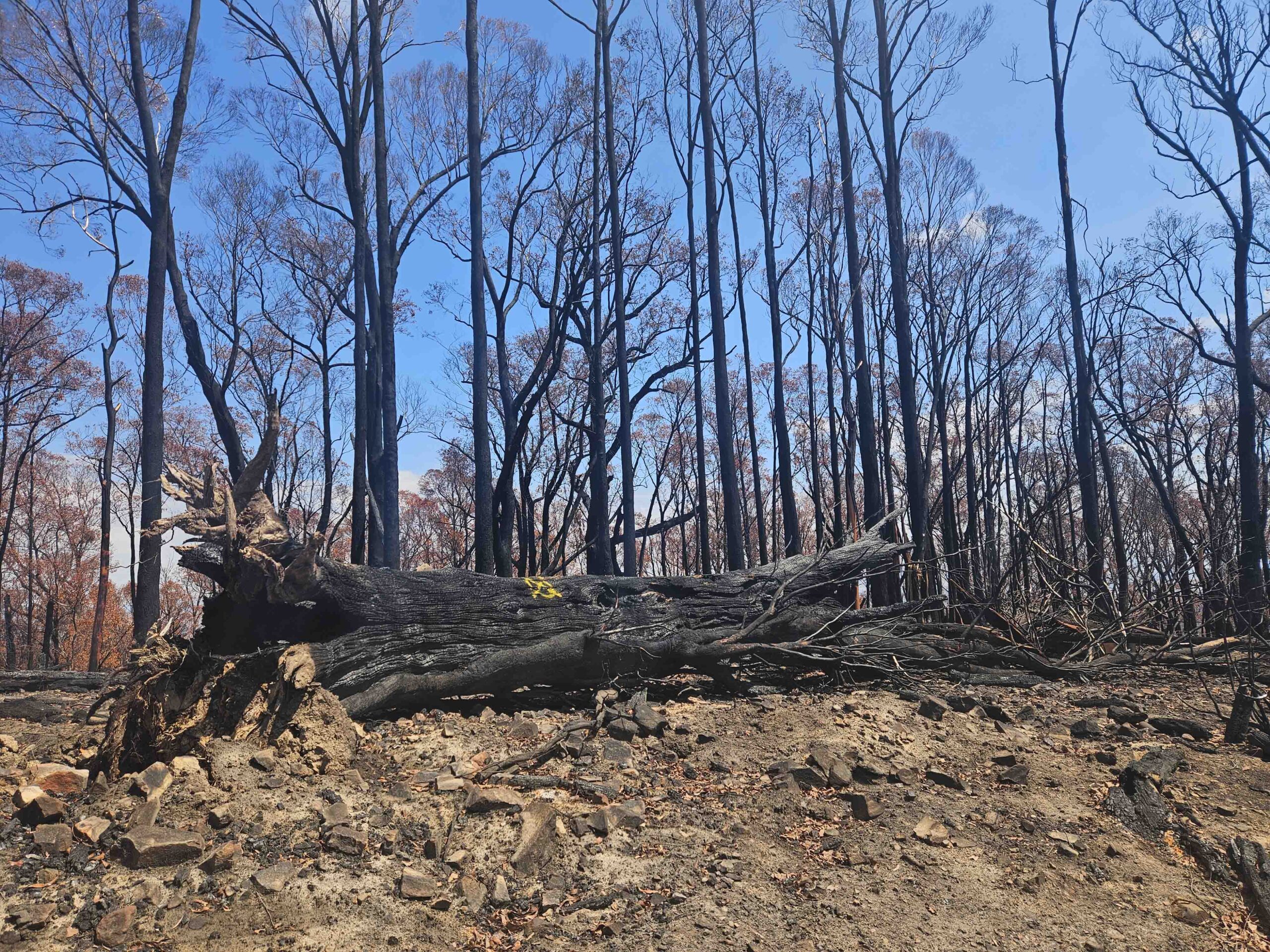
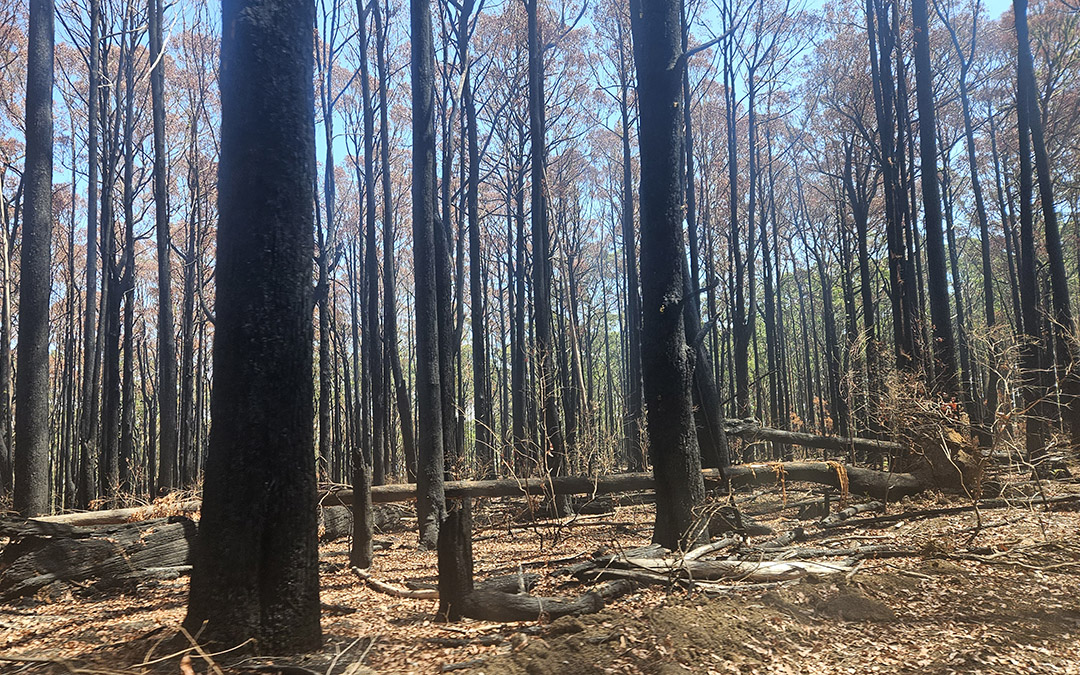
Bernadette Madden MSS is a volunteer with the Victorian Council of Churches Emergency Ministry, offering psychological first aid and pastoral support to people affected by disasters. Following the recent bushfires in Victoria, Bernadette spent time in relief centres and fire-affected communities, listening to people’s stories and connecting them with support services. Bernadette shared the following words:
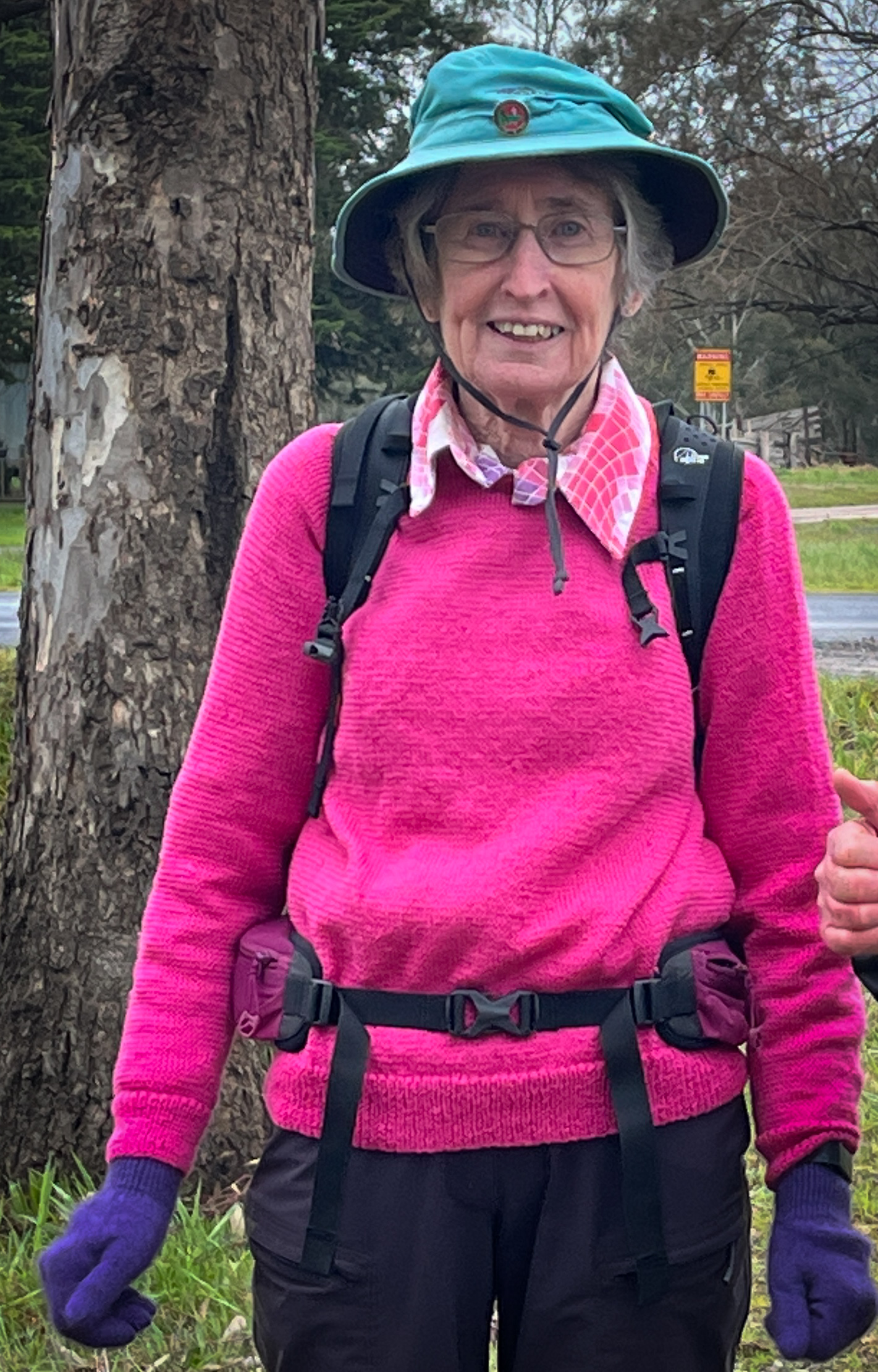
Bernadette Madden MSS, Yarck to Yea Walk, Run, Ride (2023). Photo: Fiona Basile
For the past six years, I have been volunteering with the Victorian Council of Churches Emergency Ministry team (such a long title, usually abbreviated to VCCEM). This service began in 1977 when people realised that recovering from a disaster or traumatic event required more than practical help. The importance of psychological first aid and personal support in times such as these has now become part of the normal response to disaster recovery. VCCEM offers both initial and ongoing training to all volunteers.
Since January this year, VCCEM has been part of the recovery process following the bushfires in Victoria. During this time, I have spent time at the Lilydale and Whittlesea relief centres and also had two periods of fou-to-five days staying in bushfire-affected areas. For the most part, I have spent my time simply listening to people or sometimes offering suggestions about support services available in their area.
One week, I was part of an assessment team comprising a building inspector, a health worker and a ‘welfare person’ (that’s me). We visited homes and properties across the Murrindindi Shire, travelling many kilometres along winding, narrow roads to places I didn’t even know existed. We encountered people who had lost everything, and others who were deeply grateful for what had been salvaged. The ‘lucky ones’ still had a house to live in, although the entire countryside around them was black.
The devastation of these fires is still being realised, as there are areas that could not be accessed at first. People who evacuated ahead of the fires are returning home with apprehension. Some are very relieved to find either a house or a shed still standing, but many return to find nothing – their house now just a pile of ash and corrugated iron (one of the few things that does not burn!). As much of the burnt area is farming country, people have also been faced with the trauma of livestock killed in the fire or having to be euthanised after the fire front passed.
For many, the losses they have experienced will be ongoing for months, even years. One man said to me that his biggest worry, after losing his house, all his pastures and half his herd, was that people would forget about them once the reporters stopped coming, or when something else more interesting appeared on the news.
Recovery from disasters like this is a long-term mission. The need for support is ongoing, and I expect there will be more days spent in these areas in the weeks ahead.
Photographs of burnt landscape just outside of Alexandra are courtesy Bernadette Madden MSS.